B 1/7 Mahanagar Extension ( Opp. Sahara India Centre ), Kapoorthala, Lucknow - 226006

Mon - Sat: 10:00am to 8:30pm
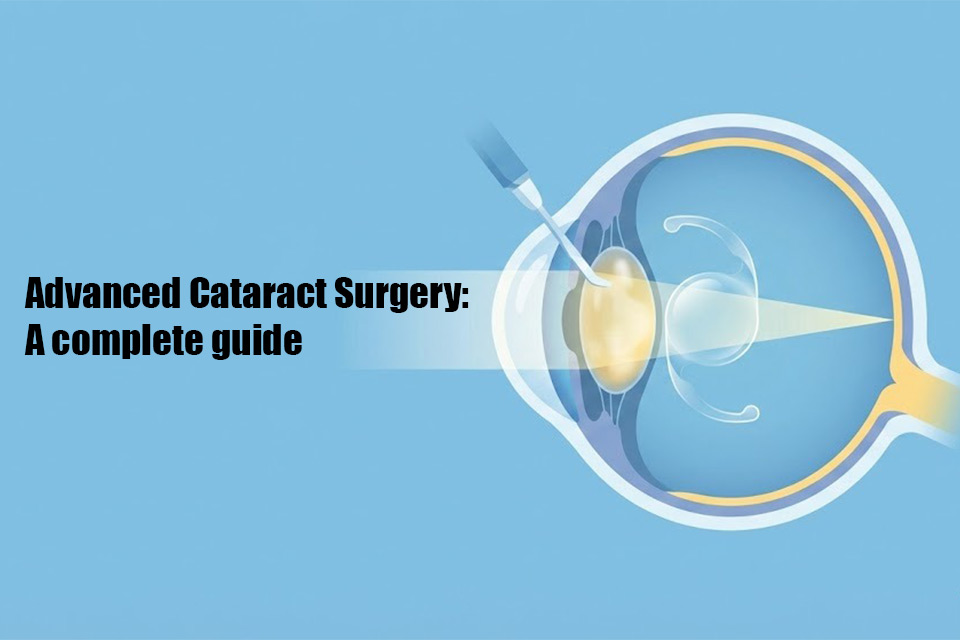
If you are reading this, you or a loved one might be experiencing the frustrating effects of cloudy, blurry, or faded vision. We understand that noticing a decline in your eyesight can be deeply unsettling. Daily tasks like reading the newspaper, driving safely at night, or even recognizing the faces of your family members can suddenly become difficult.
The good news? You are not alone, and this condition is highly treatable. Cataract removal is one of the most frequently performed, advanced, and safest medical procedures in the world today.
At Susanjeevani Hospital, located in the heart of Kapoorthala, Lucknow, we believe in complete transparency and patient education. Led by our renowned Vitreo Retina Specialist, Dr. Mohit Khemchandani, we have created this, easy-to-understand guide. Below, you will find everything you need to know about cataracts, modern surgical treatments, recovery timelines, and a transparent breakdown of the cost of cataract surgery in Lucknow.
What Exactly is Cataract (मोतियाबिंद)?
To understand a cataract, it helps to understand how your eye works. Behind the colored part of your eye (the iris) lies a natural, transparent lens. This natural lens focuses light onto the retina at the back of your eye, producing the sharp, clear images you see.
As we age, the proteins inside this natural lens begin to break down and clump together. This clumping creates a cloudy, yellowish, or frosted area over the lens. This cloudiness is what we call a cataract (मोतियाबिंद).
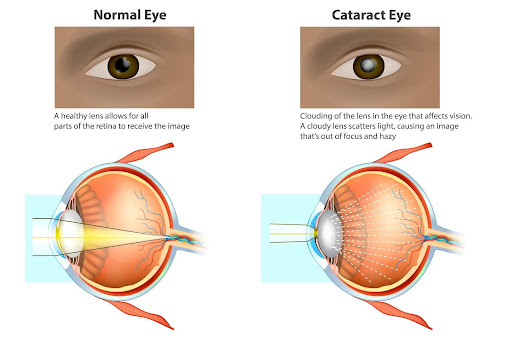
Think of it like looking through a foggy or dirty window. No matter how much you clean your glasses, the fog remains because the problem is inside the eye itself. While aging is the most common cause, cataracts can also develop faster due to diabetes, past eye injuries, excessive sun exposure, or the prolonged use of certain medications like steroids
Symptom Checklist: Do I Have a Cataract?
Cataracts usually develop very slowly and painlessly. You might not even notice them in the early stages. However, as they grow, they will start to interfere with your daily life.
If you are experiencing three or more of the following symptoms, it is time to schedule a consultation:
1. Cloudy or Blurry Vision
Things look fuzzy, dim, or hazy, even with your glasses on.
2. Glare and Halos
Lights seem too bright. You might see "halos" or rings around streetlights and car headlights, making night driving very dangerous.
3. Faded Colors
The vibrant colors you used to see now look washed out, yellowed, or brownish.
4. Need for Brighter Light
You find yourself needing much stronger light to read or do close-up work.
5. Frequent Prescription Changes
You find yourself frequently visiting the optical shop to change your glasses or contact lens prescription, but it never seems to perfectly fix the blurriness.
6. Poor Night Vision
It becomes increasingly difficult to see in dimly lit environments.
Medical Warning:
Do not wait for a cataract to "ripen" or become completely white. Delaying surgery allows the cataract to become extremely hard (hyper-mature), making the surgical procedure more complex and increasing the recovery time.
Modern Cataract Surgery: How It Works
Many patients feel anxious about eye operations, but modern medical advancements have made the cataract surgery procedure incredibly smooth. The procedure is typically performed on an outpatient basis, meaning you will walk in, have the surgery, and walk out to go home on the exact same day.
The process involves removing your cloudy natural lens and replacing it with a crystal-clear artificial lens called an Intraocular Lens (IOL).
Step-by-Step Breakdown of the Procedure:
1. Preparation and Numbing: First, your eye will be completely numbed using anesthetic eye drops. You will be awake, but you will not feel any pain.
2. The Incision: Dr. Mohit Khemchandani will make a microscopic incision (often smaller than 2.5 millimeters) at the edge of your cornea.
3. Phacoemulsification: A tiny, highly advanced ultrasound probe is inserted through the incision. This probe uses gentle sound waves to break the hard, cloudy cataract into tiny fragments. These fragments are then safely suctioned out of the eye.
4. Lens Implantation: A folded, flexible artificial lens (IOL) is inserted through the same tiny incision. Once inside the eye, it unfolds and is positioned perfectly to restore your clear vision.
5. Healing: Because the incision is microscopic, it acts like a natural valve and seals itself. In almost all modern cases, no stitches are required.
Understanding Your Intraocular Lens (IOL) Options
The artificial lens chosen to replace your cataract plays a huge role in how you will see after the surgery—and it significantly impacts the overall cost.
Here are the standard options for cataract lens available in Lucknow and most other cities today:
- Monofocal Lenses: The traditional and most common choice. They provide excellent, high-definition vision at one specific distance—usually far away (for driving or watching TV). If you choose this lens, you will likely still need reading glasses for close-up tasks like using your smartphone.
- Multifocal Lenses: These lenses are designed with multiple focal zones, allowing you to see objects clearly at both near and far distances. While they heavily reduce your dependence on glasses, some patients may experience mild glare at night.
- Trifocal Lenses: The most advanced premium lenses. They provide clear vision at all three distances: far (driving), intermediate (computer work), and near (reading a book).
- Toric Lenses: If you have an eye condition called astigmatism (an irregularly shaped cornea that distorts vision), a Toric lens is specifically customized to correct it along with the cataract.
- EDOF Lenses (Extended Depth of Focus): These provide an excellent continuous range of vision from far to intermediate distances, with fewer night-glare issues compared to standard multifocal lenses.
The Cost of Cataract Surgery in Lucknow (2026 Estimate)
One of the most common questions patients ask is, "How much will this cost?" The cost of cataract surgery in Lucknow is not a flat rate. It depends on three main factors: the technology used for the surgery (Standard Phaco vs. Advanced MICS), the type of artificial lens (IOL) you and your doctor select, and the specific consumables required.
Below is a highly accurate, realistic estimate of what you can expect to pay per eye in Lucknow today:
Estimated Cost Range Breakdown
| Surgery & Lens Combination | Estimated Price Range (Per Eye) | Best Suited For |
|---|---|---|
| Basic Phaco + Standard Indian Monofocal Lens | ₹20,000 - ₹30,000 | Basic distance vision correction; reading glasses will be required for near tasks. |
| Advanced MICS + Premium Imported Monofocal Lens | ₹35,000 - ₹50,000 | Sharper distance vision, better contrast, and a highly durable lens material. |
| Advanced MICS + Standard Multifocal / EDOF Lens | ₹50,000 - ₹80,000 | Patients wanting to reduce their daily dependence on reading glasses. |
| Premium Surgery + Advanced Trifocal or Toric Lens | ₹80,000 - ₹1,30,000+ | Patients with astigmatism, or those wanting clear near, intermediate, and far vision. |
Does Insurance Cover Cataract Surgery?
Yes! Cataract surgery is a recognized medical necessity. Most standard health insurance policies, Mediclaim, and Corporate TPAs cover the cost of the surgery. However, insurance providers often have a financial "cap" on how much they will pay for the artificial lens itself. Our administrative team at Susanjeevani Hospital is highly experienced in processing cashless TPA approvals and will help you navigate your coverage smoothly.
Recovery: Important Do's and Don'ts
Your surgery might be over in 15 to 20 minutes, but how you care for your eye at home is critical to a perfect result. Healing is usually rapid, but strict hygiene is required.
The Do's:
- Do use all prescribed antibiotic and anti-inflammatory eye drops exactly as scheduled by your ophthalmologist (eye specialist doctor) in Lucknow.
- Do wear the dark protective glasses provided to you, especially when stepping outdoors or sleeping, to prevent accidental rubbing.
- Do wash your hands thoroughly with soap and water before applying your eye drops.
- Do take a few days of rest. You can watch TV or use your phone gently, but do not strain your eyes.
The Don'ts:
- Don't rub, press, or touch your operated eye under any circumstances.
- Don't splash tap water directly into your face or eyes while bathing for at least the first week. Use a damp cloth to clean your face.
- Don't bend over rapidly or lift heavy weights (like large water buckets or heavy groceries), as this increases pressure inside the eye.
- Don't sleep on the side of your operated eye for the first few nights.
Why Trust Susanjeevani Hospital for Your Eye Care In Lucknow?
Your eyesight is irreplaceable. Choosing the right medical expert is the most important decision you can make for your visual health.
At Susanjeevani Hospital, we do not treat patients as numbers; we treat them as family.
- Expert Leadership: All ophthalmic procedures are personally overseen by Dr. Mohit Khemchandani [MBBS, MS (Ophthal)], a highly respected Vitreo Retina Specialist with years of specialized training in managing complex eye conditions.
- Zero-Compromise Technology: We utilize advanced diagnostic and surgical technology to ensure your procedure is as safe, precise, and comfortable as possible.
- Honest Pricing: No hidden fees, no unnecessary upselling. We provide clear, straightforward counseling so you know exactly what procedure and lens are best for your unique lifestyle and budget.
- Prime Location: Easily accessible in Kapoorthala, making follow-up visits stress-free for residents across the city.
Take the First Step Towards Clear Vision Today
Living with blurry, fading vision does not have to be your permanent reality. Cataract surgery is a safe, quick, and truly life-changing procedure that can help you get back to enjoying your everyday activities—whether that is reading, driving safely, or simply seeing the faces of your loved ones clearly.
Remember, delaying treatment only allows the cataract to become harder, which can make the surgical process more complicated.
We are dedicated to providing you with honest guidance, transparent pricing, and the highest standard of medical care. If you or a family member are experiencing any signs of a cataract, do not wait for the vision to worsen.
Book a comprehensive eye evaluation with our expert eye specialist doctors, and let us help you see the world clearly again.
