B 1/7 Mahanagar Extension ( Opp. Sahara India Centre ), Kapoorthala, Lucknow - 226006

Mon - Sat: 10:00am to 8:30pm
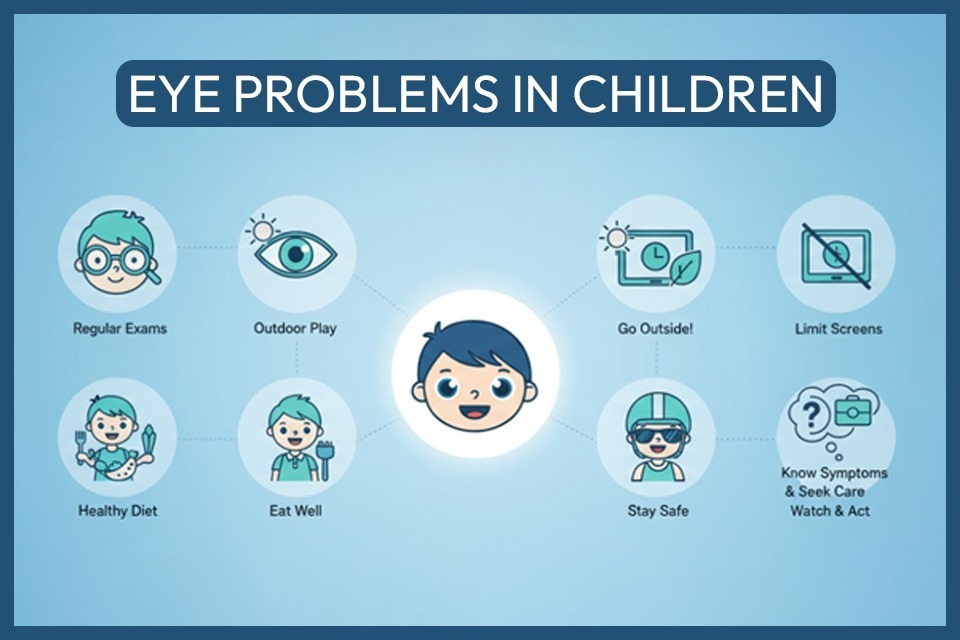
Children's eyes are special. Unlike other body parts, the eyes do not grow much in size after early childhood, reaching nearly their adult size by around age 3. However, their vision and eye functions develop rapidly, which makes them prone to issues if not cared for properly. Good eye health helps children learn, play, and grow without trouble. If caught early, most eye problems can be managed well
This blog covers common pediatric eye issues, causes, symptoms, and ways to help. It aims to inform parents so you know when to seek care.
Understanding Common Pediatric Eye Problems
Kids can face many eye problems from birth or as they grow. These are called pediatric eye issues. Knowing them helps parents spot signs early. Here, we look at the most common ones, their causes, and symptoms. Remember, this is general info. Always talk to eye an specialist for your child's needs.
Amblyopia: The Lazy Eye
Amblyopia happens when one eye does not see as well as the other. It is like the brain ignores the weaker eye. This makes the strong eye do all the work.
- Causes: It often starts from other eye problems. For example, if a child has crossed eyes or a big difference in vision between eyes, the brain favors the better one. Family history or early eye blocks can play a part. It is common in kids under 7 years.
- Symptoms: The child may squint, tilt their head, or bump into things. They might not see fine details. Parents may notice the child favors one eye during play or reading. Eyes look normal, so it is hard to spot without a check.
- Early detection: A simple eye exam at a pediatric eye specialist can find it.
Strabismus: Crossed or Wandering Eyes
Strabismus is when eyes do not line up right. One eye may turn in, out, up, or down. It affects about 1 in 20 kids.
- Causes: It can be from birth due to weak eye muscles. Sometimes, it links to refractive errors or family genes. Brain issues or eye injuries can cause it too. Kids with conditions like cerebral palsy may face higher risk.
- Symptoms: Eyes look misaligned, especially when tired or focusing. The child may close one eye in bright light or have double vision. Headaches or eye strain can happen. If not fixed, it may lead to lazy eye.
- Early detection: Regular eye check-ups for kids help catch strabismus early. At a reliable eye care center, simple tests show if alignment is off.
Refractive Errors: Nearsightedness, Farsightedness, and Astigmatism
Refractive errors mean the eye does not bend light right, causing blurry vision.Nearsightedness (myopia) blurs far things. Farsightedness (hyperopia) blurs close ones. Astigmatism makes all vision fuzzy due to an uneven cornea.
- Causes: As children grow, the eye's ability to focus can change due to its shape or length. Too much near work like reading or screen time can worsen myopia. Genetics play a big role—if parents have it, kids often do. Spending time outdoors may lower myopia risk.
- Symptoms: Kids rub eyes a lot, get headaches, or hold books too close. They may squint or complain school is hard. In young ones, it shows as poor focus or clumsiness.
- Treatment: These are common in pediatric ophthalmology. Glasses or contacts fix most cases after an eye exam.
Congenital Cataracts: Cloudy Lens from Birth
Congenital cataracts are cloudy spots on the eye's lens at birth. They block light and blur vision.
- Causes: It can come from infections during pregnancy, like rubella. Genes or metabolic issues cause some. Rarely, it links to other birth defects.
- Symptoms: Baby's eyes look white or grayish. They may not track objects or respond to light. Poor vision affects development.
- Treatment: Surgery often fixes it if done early. Parents should watch for signs in newborns.
Blocked Tear Ducts: Nasolacrimal Duct Obstruction
This is when tears do not drain well, causing watery eyes or infections.
- Causes: The duct is narrow at birth and may not open fully. It affects 1 in 20 babies, more in girls.
- Symptoms: Constant tearing, red eyes, or pus. Crusty lids in mornings. It often clears by age 1, but infections need care.
- Treatment: Gentle massage helps, but see a specialist if it lasts.
Other Issues: Ptosis, Color Blindness, and Retinopathy of Prematurity
- Ptosis: A droopy eyelid that covers the pupil. Causes: Weak muscles from birth. Symptoms: Poor vision in that eye, head tilting.
- Color Blindness: Hard to see colors, often red-green. Causes: It is genetic, mostly in boys. Symptoms: Trouble with color tasks.
- Retinopathy of Prematurity: Affects preemies. Abnormal blood vessels grow in the retina. Causes: Early birth and oxygen use. Symptoms: No early signs, but exams find it.
These show why routine pediatric eye exams matter.
Managing and Preventing Pediatric Eye Issues
Spotting eye problems early helps kids see better. Prevention and care start at home, but pros guide the way. Here, we cover symptoms to watch, treatment options, and tips. For best results, visit a good eye hospital in Lucknow for your kids' eye check-ups.
Key Symptoms to Watch in Children's Eyes
Parents know their child best. Look for these signs:
- Rubbing eyes often or blinking too much.
- Red, swollen, or watery eyes that last.
- Squinting, tilting head, or closing one eye.
- Bumping into things or holding objects close.
- Complaints of headaches or eye pain.
- Changes in how the child plays or learns.
- White pupil glow in photos (may signal cataract or tumor).
In babies, no eye contact or tracking issues are red flags. School-age kids may struggle with reading or sports. Track changes and note family history.
Treatment Options for Pediatric Eye Problems
Treatment depends on the issue and child's age. It aims to improve vision and stop worsening. Options include:
- For Amblyopia and Strabismus: Patching the strong eye makes the weak one work. Glasses correct focus. Eye exercises strengthen muscles. Surgery aligns eyes if needed. It works best before age 7.
- For Refractive Errors: Glasses or contact lenses help focus light right. Regular eye checks adjust them as the child grows.
- For Blocked Tear Ducts: Gentle massage may open the duct. Warm compresses ease discomfort. If it persists, specialists check further.
- For Ptosis: Surgery lifts the lid if it blocks vision. Non-surgical options depend on severity.
- For Color Blindness: No cure exists, but special glasses or tools help with tasks. Awareness aids learning.
- For Retinopathy of Prematurity: Laser or cryotherapy stops abnormal growth. Early exams in preemies are vital.
- Always consult eye care pros for the right plan. They use safe, child-friendly methods.
Prevention Tips for Healthy Children's Eyes
Keep your child's eyes safe with these steps:
- Limit Screen Time: Follow the 20-20-20 rule—every 20 minutes, look 20 feet away for 20 seconds. Breaks reduce strain.
- Encourage Outdoor Play: Sunlight helps eye development. Aim for 1-2 hours daily.
- Protect Eyes: Use sunglasses or safety glasses during sports or rough play.
- Healthy Diet: Feed fruits, vegetables, and fish for vitamins A, C, and E. Carrots and spinach are great.
- Regular Check-Ups: Start eye exams at 6 months, then at 3 years, and before school. Catch issues early.
- Good Lighting: Use soft, even light for reading or homework to avoid strain.
A healthy lifestyle supports clear vision. Watch for changes and act fast.
When to See a Pediatric Eye Specialist
Some signs need quick attention. Go to a pediatric eye specialist if:
- Eyes look different or misaligned for long.
- Vision problems affect school or play.
- Symptoms like redness or tearing don’t stop.
- Baby avoids light or doesn’t track objects.
Our expert ophthalmologists conduct gentle and child-friendly eye tests to check vision, eye movement, and overall eye health.
Why Eye Health Matters for Children
Good vision is key for a child’s life. It affects learning, confidence, and safety. Untreated eye problems can lead to trouble in school or social skills. Early care prevents lasting issues. Parents play a big role by watching signs and seeking help.
Supporting Your Child’s Eye Health
Talk to your child about their eyes. Ask if they see clearly. Create a routine with eye breaks and healthy habits. Join them in outdoor games to make it fun. If worried, a visit to an eye care center gives peace of mind.
Choosing the Right Care
Look for a place with experience in kids' eyes. Our hospital offers caring staff and modern tools for pediatric eye care. Book a visit to check your child’s vision and get advice tailored for them.
Final Thoughts
Eye problems in children are common but manageable with early action. From lazy eye to refractive errors, knowing the causes and symptoms helps parents protect their kids’ sight. Simple steps like good habits and regular checks make a big difference. If you notice any signs, don’t wait—visit a trusted eye care center for support.
For expert help, we are ready to assist with your child’s eye health. Visit susanjeevanihospital.in or call +91-522-1234567 to schedule a check-up today!
