B 1/7 Mahanagar Extension ( Opp. Sahara India Centre ), Kapoorthala, Lucknow - 226006

Mon - Sat: 10:00am to 8:30pm
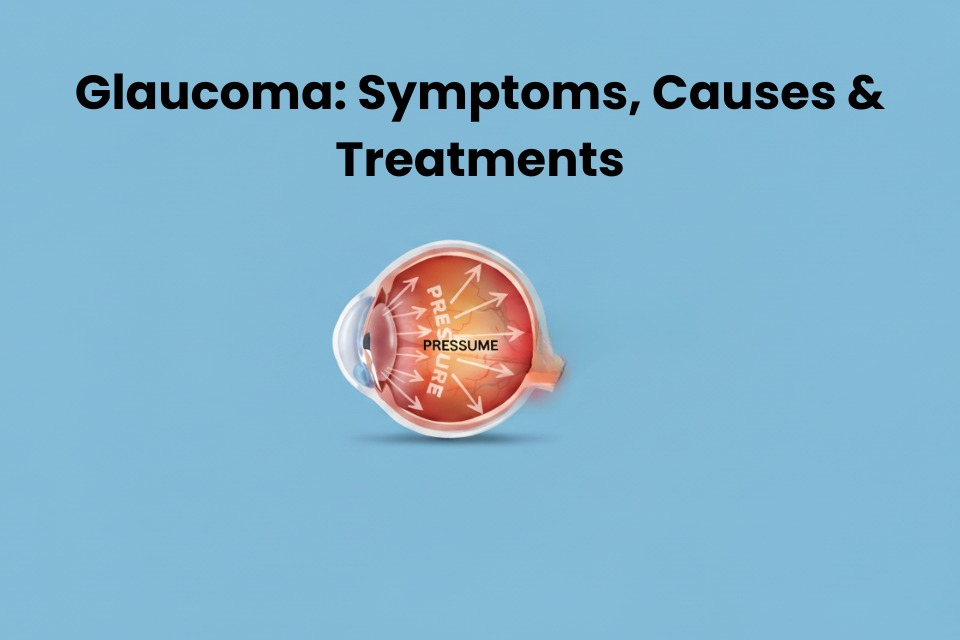
Glaucoma is an eye condition that damages the optic nerve, the part of the eye that sends visual signals to your brain. This usually happens when fluid pressure inside the eye increases, pressing on the optic nerve.
Over time, this damage leads to blind spots and, if untreated, permanent vision loss.
Key Facts:
- It’s the second most common cause of blindness globally.
- Usually affects people over 40 years old.
- Vision loss can be gradual or sudden depending on the condition.
Why Glaucoma Awareness Matters
Imagine losing your eyesight slowly — without any pain or early warning. That’s what glaucoma can do. It’s one of the leading causes of permanent blindness worldwide. At Susanjeevani Hospital, we have met many patients who didn’t know they had glaucoma until it was too late. The disease is silent but dangerous — early detection can save your sight. In this blog, we’ll explain what glaucoma is, its causes, symptoms, treatment, and how to prevent it — in simple words everyone can understand.
Types of Glaucoma
| Type | Description | Common Symptoms |
|---|---|---|
| Open-Angle Glaucoma | The most common type. Pressure builds slowly. | Gradual loss of side vision, no pain |
| Angle-Closure Glaucoma | Fluid drainage gets blocked suddenly. | Intense eye pain, nausea, blurred vision |
| Normal-Tension Glaucoma | Optic nerve damage occurs despite normal eye pressure. | Gradual loss of vision |
| Congenital Glaucoma | Found in infants due to eye development problems. | Cloudy eyes, watering, light sensitivity |
Each type behaves differently, so timely diagnosis at trusted eye hospital in Lucknow, like Susanjeevani Hospital is crucial.
Early Signs and Symptoms
Glaucoma develops silently. Most people feel fine until significant vision loss occurs. Watch for these early warning signs:
- Blurred or tunnel vision
- Headaches or eye strain
- Seeing halos around lights
- Eye pain or redness
- Sudden loss of vision (in severe cases)
- Difficulty seeing at night
Tip:Regular eye checkups can detect glaucoma years before symptoms appear.
Major Risk Factors
| Risk Factor | Reason It Matters |
|---|---|
| Age above 40 | Risk increases as we age |
| Family history | Strong genetic link |
| Diabetes or high blood pressure | Affects eye blood vessels |
| Past eye injury | Can block fluid drainage |
| Long-term steroid use | Raises eye pressure |
| Thin cornea | Makes the optic nerve more fragile |
If you fall into any of these groups, schedule an eye test once a year.
How Doctors Diagnose Glaucoma
Diagnosis is simple and completely painless. Eye specialists use advanced technology to check your eye pressure, vision, and optic nerve condition.
| Test | Purpose |
|---|---|
| Tonometry | Measures internal eye pressure |
| Ophthalmoscopy | Examines optic nerve damage |
| Visual Field Test | Detects loss in side vision |
| OCT Scan | Scans optic nerve fibers in detail |
| Gonioscopy | Checks drainage angle of the eye |
At Susanjeevani Hospital, modern diagnostic equipment ensures accurate and early glaucoma detection.
Treatment Options for Glaucoma
While there’s no cure, treatment helps control pressure and prevent further vision loss.
1. Medicated Eye Drops
- Reduce eye pressure by improving fluid drainage.
- Must be used daily as prescribed.
2. Oral Medicines
- Used when drops aren’t enough.
- May have side effects, so regular monitoring is needed.
3. Laser Therapy
- A painless outpatient procedure.
- Improves eye fluid flow.
4. Surgery
- For severe or resistant glaucoma cases.
- Creates new channels for fluid drainage.
A personalized plan, guided by your eye doctor, ensures the best results.
Preventing Glaucoma: Healthy Eye Habits
Though glaucoma can’t always be prevented, you can protect your vision with these easy steps:
Routine Eye Care
- Get a comprehensive eye exam every 6–12 months.
- Monitor blood sugar and pressure regularly.
- Wear protective glasses when needed.
Healthy Lifestyle
- Eat foods rich in vitamin A, C, E, and omega-3s.
- Avoid smoking and alcohol.
- Exercise moderately — walking, yoga, and meditation help.
- Sleep well and manage stress.
Special Tips for At-Risk Groups
- If you have diabetes or hypertension, be extra careful.
- Family members of glaucoma patients should get screened early.
Living with Glaucoma
Glaucoma doesn’t have to end your independence. You can still live a normal life with proper care.
Daily Care Tips
- Take your medicines regularly.
- Use eye drops at the same time each day.
- Keep follow-up appointments with your doctor.
- Inform your doctor about new symptoms or side effects.
Family support and awareness are key to managing this lifelong condition.
Why Choose Susanjeevani Hospital for Eye Health
Susanjeevani Hospital is known for providing trusted, comprehensive eye care services in Lucknow. Our team of experienced ophthalmologists, advanced machines, and patient-first approach make treatment smooth and safe. We focus not only on treatment but also on prevention and awareness, helping you maintain strong, healthy eyes for life. If you are looking for reliable glaucoma diagnosis and treatment, we proudly stand as one of the best eye hospital in Lucknow, ensuring excellence in every service we offer.
Conclusion
Glaucoma may be silent, but with regular checkups, it doesn’t have to be a threat. Awareness, early diagnosis, and proper treatment are your best defenses. At Susanjeevani Hospital, our goal is to protect your sight and empower you with knowledge. Because healthy vision isn’t just about seeing clearly — it’s about seeing life fully.
