B 1/7 Mahanagar Extension ( Opp. Sahara India Centre ), Kapoorthala, Lucknow - 226006

Mon - Sat: 10:00am to 8:30pm
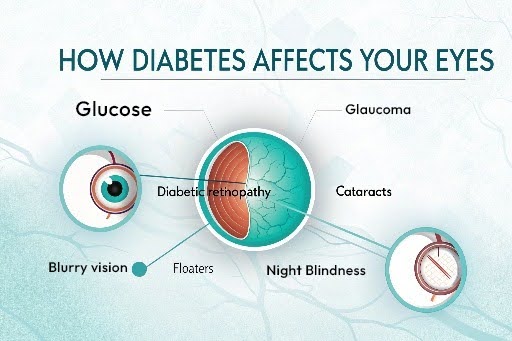
Diabetes is a common health condition that affects millions of people worldwide. While it’s often linked to blood sugar issues, many don’t realize that diabetes can also harm your eyes. If not managed properly, it can lead to serious eye problems, including vision loss. At Susanjeevani Hospital, recognized as one of the best eye hospitals in Lucknow , we believe in empowering our patients with knowledge to protect their health. In this blog, we’ll explain how diabetes affects eyes, the symptoms to watch for, and practical prevention tips to keep your vision clear.
Understanding Diabetes and Its Impact on Eyes
Diabetes occurs when your body struggles to regulate blood sugar levels. Learning how diabetes affects eyes can help you take steps to prevent serious complications like diabetic retinopathy. Over time, high blood sugar can damage various parts of the body, including the delicate blood vessels in your eyes. This damage can lead to conditions like diabetic retinopathy, cataracts, and glaucoma, which we’ll discuss in simple terms below.
When blood sugar levels are consistently high, they weaken the tiny blood vessels in the retina, the part of your eye responsible for seeing clearly. This can cause swelling, leakage, or even blockages, affecting your vision. The good news? Early detection and proper care can prevent or delay these issues.
What Is Diabetic Retinopathy?
Diabetic retinopathy is the most common eye problem caused by diabetes. It happens when high blood sugar damages the blood vessels in the retina. In the early stages, you might not notice any symptoms, but as it progresses, it can lead to blurry vision or even blindness if untreated. Our expert eye specialists in Lucknow are trained to detect and treat this condition early, helping patients preserve their sight.
Other Eye Conditions Linked to Diabetes
- Cataracts: This is when the lens of your eye becomes cloudy, making it hard to see clearly. People with diabetes are more likely to develop cataracts at a younger age.
- Glaucoma: This condition involves pressure buildup in the eye, which can damage the optic nerve and lead to vision loss. Learn about our glaucoma treatment service and how we help patients maintain healthy vision.
Understanding these risks is the first step to protecting your eyes. Let’s explore the symptoms to watch for.
Symptoms of Diabetes-Related Eye Problems
Recognizing early symptoms can lead to timely treatment. Visit the best eye specialist in Lucknow if you notice:
Blurry or Distorted Vision
Blurry vision is a key sign of how diabetes affects eyes, as high blood sugar causes the lens in your eye to swell. You might struggle to read, see distant objects, or notice that your vision comes and goes. This happens when high blood sugar causes the lens in your eye to swell.
Dark Spots or Floaters
Have you ever seen tiny specks or spots floating in your vision? These are called floaters and can be a sign of diabetic retinopathy. They occur when blood vessels in the retina leak fluid or blood.
Difficulty Seeing at Night
If you’re finding it hard to see in low light, such as when driving at night, it could be linked to diabetes. This symptom often points to early retinal damage.
Sudden Vision Loss
In severe cases, diabetes can cause sudden vision loss. This is a medical emergency and requires immediate attention. If this happens, contact a doctor at a trusted eye hospital like Susanjeevani Hospital right away.
Eye Pain or Redness
Persistent eye pain, redness, or pressure could indicate glaucoma or other diabetes-related issues. Don’t ignore these symptoms, as they may signal a serious problem.
If you notice any of these symptoms, schedule an eye checkup immediately. Early detection can save your vision.
How to Prevent Diabetes-Related Eye Problems
The good news is that understanding how diabetes affects eyes allows you to take steps to protect your vision from diabetes-related damage. By managing your diabetes and adopting healthy habits, you can reduce your risk of vision problems. Here are some practical tips:
Control Your Blood Sugar Levels
Keeping your blood sugar in check is the most important step. Work with your doctor to monitor your levels regularly and follow your treatment plan, which may include:
- Taking medications or insulin as prescribed.
- Eating a balanced diet rich in vegetables, whole grains, and lean proteins.
- Checking your blood sugar levels daily.
Stable blood sugar levels help prevent damage to the blood vessels in your eyes.
Get Regular Eye Checkups
Routine eye exams are crucial for catching problems early. At our hospital, known as one of the best diabetic eye care centers in Lucknow, we use advanced diagnostic tools to catch problems early. Our eye specialists use advanced tools to detect diabetic retinopathy and other conditions before they worsen. Aim for at least one comprehensive eye exam per year, or more if your doctor recommends it.
What Happens During an Eye Exam?
- Check your vision and eye pressure.
- Dilate your pupils to examine the retina.
- Look for signs of blood vessel damage or fluid buildup.
These tests are quick, painless, and essential for protecting your vision.
Maintain a Healthy Lifestyle
A healthy lifestyle supports both your diabetes management and eye health. Try these tips:
- Exercise Regularly: Activities like walking, yoga, or swimming can improve blood sugar control and circulation.
- Quit Smoking: Smoking worsens blood vessel damage, increasing your risk of eye problems.
- Eat Eye-Healthy Foods: Foods like leafy greens, fish, and nuts are packed with nutrients like omega-3s and vitamin A, which support eye health.
Manage Blood Pressure and Cholesterol
High blood pressure and cholesterol can worsen diabetes-related eye damage. Monitor these levels with your doctor and take steps like reducing salt intake, exercising, and taking prescribed medications.
Protect Your Eyes from UV Rays
Wearing sunglasses that block UV rays can protect your eyes from further damage. Choose sunglasses with 100% UVA and UVB protection, especially when outdoors.
By following these tips, you can take charge of your eye health and reduce the risk of complications.
Frequently Asked Questions (FAQ) About How Diabetes Affects Eyes.
1. Can Diabetes Cause Blindness?
2. How Often Should I Get My Eyes Checked If I Have Diabetes?
3. Are All People with Diabetes at Risk of Eye Problems?
4. Can I Reverse Diabetes-Related Eye Damage?
5. What Should I Do If I Notice Vision Changes?
Let Us Help You See Clearly – Trusted Eye Care in Lucknow
Diabetes can affect your eyes in serious ways, but knowing how diabetes affects eyes empowers you to protect your vision with proactive care. By recognizing symptoms like blurry vision or floaters and taking steps like controlling blood sugar and getting regular eye checkups, you can keep your eyes healthy. Our expert team is here to guide you with advanced eye care and personalized diabetes management plans.
Don’t wait for symptoms to worsen. Schedule an eye exam today by visiting our hospital or calling us. Your vision is precious—let’s work together to keep it clear.
Book Your Consultation Today
Let your vision shine again. Connect with Susanjeevani Hospital, the trusted name in eye care services and cataract surgery in Lucknow. Our experts are here to guide you every step of the way.
