B 1/7 Mahanagar Extension ( Opp. Sahara India Centre ), Kapoorthala, Lucknow - 226006

Mon - Sat: 10:00am to 8:30pm
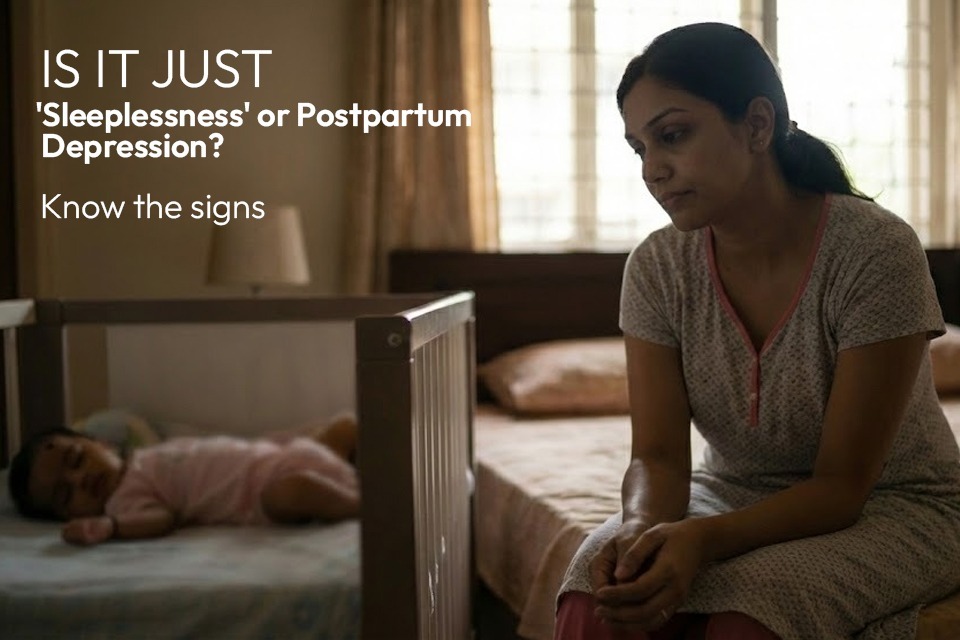
Bringing a baby home is a life-changing event. While society expects you to be basking in a "glow," the reality for many new mothers in Lucknow is exhaustion, anxiety, and a deep, unexplained sadness.
At Susanjeevani Hospital, we have delivered thousands of healthy babies successfully, including high risk pregnancy cases and we know that a mother's recovery is not just physical—it is emotional too. This guide covers everything you need to know about Postpartum Depression (PPD) or depression after delivery.
Baby Blues vs. Postpartum Depression: What is the Difference?
It is critical to distinguish between common mood swings and a clinical condition.
- The "Baby Blues": Affects up to 80% of mothers. You might feel weepy, irritable, or restless for a week or two after delivery. This usually resolves with rest and family support.
- Postpartum Depression (PPD): This is deeper and lasts longer. If your feelings of sadness or anxiety persist for more than two weeks and interfere with your ability to care for your baby, it is a medical condition requiring attention.
The 3 Major Types of Symptoms
PPD doesn't look the same for everyone. It manifests in three distinct ways:
1. Emotional Symptoms:
- Persistent feelings of hopelessness or emptiness.
- Guilt (feeling like you are "not a good mother").
- Lack of bonding with the baby.
2. Physical Symptoms:
- Severe exhaustion but inability to sleep (insomnia).
- Changes in appetite (eating too little or too much).
- Unexplained aches or headaches.
3. Behavioral Symptoms:
- Withdrawing from partner and family.
- Thoughts of harming oneself or the baby (this requires immediate emergency care).
Why Does This Happen? (The Science)
It is not because of something you did or didn't do. It is a combination of factors:
- Hormonal Drop: After childbirth, estrogen and progesterone levels drop rapidly, triggering chemical changes in the brain.
- Sleep Deprivation: The sheer exhaustion of newborn care weakens your emotional resilience.
- Psychological Adjustment: The pressure to be a "perfect parent" can be overwhelming.
Treatment & Recovery: Breaking the Silence
At Susanjeevani Hospital, we manage your gynecological health, but we recognize that mental wellness requires specialized care. You wouldn't treat a fracture at home; similarly, you shouldn't try to "wait out" depression.
- Therapy & Counseling: Talking therapy, such as CBT (Cognitive Behavioral Therapy), is highly effective. It helps you recognize negative thought patterns and change them.
- Medication & Expert Support: For moderate to severe PPD, medical intervention is often necessary. While our team handles your post-delivery physical checkups, we strongly encourage mothers facing severe emotional distress to consult a specialized psychiatrist in Lucknow . They can prescribe safe medications that do not interfere with breastfeeding and monitor your mental recovery.
- Holistic Support: Yoga, meditation, and a strong diet plan (which our nutritionists can help with) play a supportive role. However, for clinical depression treatment in Lucknow, professional medical guidance is the gold standard.
When Should You Seek Help?
If you are crying uncontrollably, feeling disconnected from reality, or having panic attacks, do not wait for your next gynecological follow-up.
Mental health is complex. Sometimes, the best psychiatrist in Lucknow is the right person to partner with your gynecologist to ensure you get holistic care. Remember, seeking help is a sign of strength, not weakness.
