B 1/7 Mahanagar Extension ( Opp. Sahara India Centre ), Kapoorthala, Lucknow - 226006

Mon - Sat: 10:00am to 8:30pm
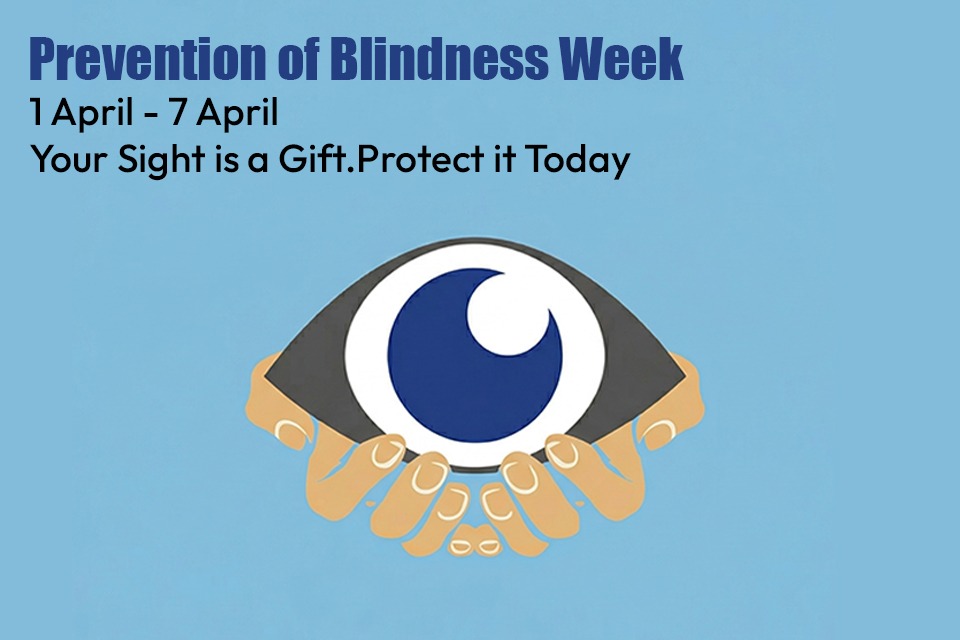
1st week of April is observed as ‘Prevention of Blindness Week’ across India.This special week serves as a powerful reminder that our eyesight is a precious gift that requires active care and protection. As a leading eye hospital in Lucknow, Susanjeevani Hospital is deeply committed to spreading awareness about eye health. We see many patients who come to us with advanced vision problems that could have been easily managed if they were caught early
According to global health experts, a large percentage of blindness and vision impairment cases around the world are completely preventable or treatable. The key is knowing what conditions cause vision loss, understanding the warning signs, and taking the right steps to protect your eyes. In this comprehensive guide, we will discuss the major causes of blindness globally and provide you with actionable, easy-to-understand steps to keep your eyes healthy for a lifetime
Main Eye Conditions Causing Blindness Globally
When we talk about vision loss, it is important to understand the medical conditions that cause it and know that advanced medical help is available locally. Here are the leading diseases responsible for blindness across the world today:
1. Cataracts
A cataract is the clouding of the natural lens inside your eye. Think of it like looking through a foggy or dusty window. Cataracts are the leading cause of blindness globally. They usually develop slowly as people get older, causing vision to become blurry and making it very difficult to see clearly at night. The good news is that vision loss from cataracts is entirely reversible. If you are looking for safe, fast, and effective cataract treatment in Lucknow, advanced surgical procedures at our hospital can easily replace the cloudy lens with a clear artificial one, restoring your sight completely.
2. Glaucoma
Glaucoma is often called the "silent thief of sight." In its early stages, it has absolutely no symptoms. Glaucoma damages the optic nerve—the critical cable that sends images from your eye to your brain—usually due to abnormally high fluid pressure inside the eye. Because there is no early pain, many people do not know they have it until they lose their side (peripheral) vision permanently. Regular eye pressure checks are the only way to catch this disease early. For advanced glaucoma treatment in Lucknow, specialized eye care by the eye specialist doctors team at Susanjeevani Hospital can help manage the pressure and stop further nerve damage before it causes blindness.
3. Diabetic Retinopathy
If you have diabetes, high blood sugar levels can damage the tiny blood vessels in the retina (the light-sensitive tissue at the back of the eye). Over time, these damaged blood vessels leak fluid or bleed, causing severe vision loss. At Susanjeevani Hospital, our Vitreo Retina Specialist, Dr. Mohit Khemchandani, provides expert diabetic retinopathy treatment in Lucknow. Every person with diabetes must have a comprehensive dilated eye exam at least once a year to catch these leaks before irreversible damage occurs.
4. Age-Related Macular Degeneration (AMD)
The macula is the small central area of the retina that allows you to see fine details clearly, read, and recognize faces. As some people age, this part of the eye breaks down. While AMD does not cause complete black-out blindness (your side vision remains normal), it destroys your central vision. Finding an experienced retina specialist in Lucknow to monitor your macula and provide targeted therapies is vital to slowing down the progression of this disease.
5. Corneal Opacities and Infections
The cornea is the clear front surface of your eye. Sometimes, due to severe infections, injuries, or vitamin A deficiency, the cornea can become scarred and cloudy. When light cannot pass through the clear cornea, it causes severe vision impairment. Seeking immediate eye infection treatment from a trusted eye specialist doctor in Lucknow, rather than relying on home remedies, is critical to preventing permanent scarring.
6. Trachoma
While less common in urban areas today, trachoma is a bacterial infection of the eye that remains a leading cause of preventable blindness globally. Repeated infections cause the inside of the eyelid to scar and turn inward, causing the eyelashes to constantly scratch the cornea. Simple hygiene and timely antibiotic treatments can easily prevent this painful condition from causing permanent blindness.
Warning Symptoms You Should Never Ignore
How do you know when your eyes are in trouble? Your body will often give you warning signs. If you experience any of the following symptoms, you should visit an eye specialist immediately:
- Sudden Blurry Vision: If your vision suddenly becomes blurry or fuzzy in one or both eyes, this is a medical emergency.
- Flashes of Light or New Floaters: Seeing sudden flashes of light or an increase in dark spots (floaters) floating across your vision can be a sign of a torn or detached retina.
- Loss of Side Vision: If you feel like you are looking through a tunnel and cannot see things to your left or right, it could be a sign of advanced glaucoma.
- Halos Around Lights: Seeing rainbow-colored circles around bright lights can indicate cataracts or a sudden spike in eye pressure.
- Severe Eye Pain or Redness: Constant pain, feeling like something is stuck in your eye, or severe redness requires immediate medical attention to rule out dangerous infections.
- Distorted Vision: If straight lines start looking wavy or crooked, this is a major warning sign of macular issues.
How to Prevent Blindness and Protect Your Vision
Preventing blindness is not just about visiting the doctor when you are sick; it is about building daily habits that protect your eye health. Here are the most effective ways to prevent vision loss:
1. Get Regular Comprehensive Eye Exams
This is the single most important step you can take. Do not wait until your vision gets blurry to see an eye doctor. Many diseases, like glaucoma and diabetic retinopathy, have no early symptoms. An ophthalmologist can look inside your eye, check your retina, measure your eye pressure, and catch problems years before they affect your vision. Adults should get a thorough eye exam every one to two years, and those with diabetes should go yearly.
2. Control Your Blood Sugar and Blood Pressure
Your eyes are filled with tiny, delicate blood vessels. High blood pressure and high blood sugar can easily damage these vessels, leading to bleeding inside the eye and permanent blindness. If you suffer from diabetes or hypertension, taking your medications on time, maintaining a healthy diet, and exercising are critical ways to protect your eyesight.
3. Eat a Vision-Friendly Diet
What you put on your plate directly affects your eyes. To keep your macula and retina healthy, eat foods rich in antioxidants, Vitamin C, Vitamin E, zinc, and Omega-3 fatty acids.
- Eat plenty of dark leafy greens like spinach and kale.
- Include fruits like oranges, lemons, and grapefruits.
- Eat nuts and seeds like walnuts and almonds.
- Consume fish rich in Omega-3, or take a high-quality vegetarian Omega-3 supplement.
4. Wear Protective Eyewear
Many cases of blindness are caused by preventable accidents at home or work. If you are doing construction work, using harsh chemicals, or playing contact sports, always wear protective safety glasses. Additionally, the sun's ultraviolet (UV) rays can speed up the development of cataracts and damage your retina. Whenever you step outside during the day, wear sunglasses that block 100% of UV rays.
5. Practice the 20-20-20 Rule for Screen Time
While looking at phones and computers does not directly cause permanent blindness, it causes severe digital eye strain, dryness, and fatigue. To keep your eyes comfortable and healthy, follow the 20-20-20 rule: Every 20 minutes, look away from your screen and focus on an object that is at least 20 feet away for 20 seconds. This simple habit relaxes the eye muscles and reminds you to blink, which lubricates the eye.
6. Quit Smoking Completely
Smoking is terrible for your eyes. Research shows that smoking drastically increases your risk of developing cataracts, macular degeneration, and optic nerve damage. Quitting smoking is one of the best investments you can make for your long-term vision.
Expert Care at Susanjeevani Hospital
When it comes to advanced eye diseases, especially those affecting the back of the eye, you need a specialist. At Susanjeevani Hospital, our eye care department is led by Dr. Mohit Khemchandani, an experienced Vitreo Retina Specialist.
Dr. Khemchandani specializes in diagnosing and treating complex conditions like Diabetic Retinopathy, Macular Degeneration, and Retinal Detachments. Our facility is equipped with modern diagnostic tools to accurately scan your retina and measure your eye pressure. We believe in providing straightforward, honest, and highly effective medical treatments to save and restore your vision.
Prevention of Blindness Week may end, but your commitment to your eye health should be a lifelong journey. Do not take your vision for granted. A simple eye checkup today can save you from a lifetime of darkness tomorrow.
Take Action Today for Your Eye Health!
If you have diabetes, a family history of eye disease, or if you simply haven't had an eye exam in the last year, book your consultation today.
Susanjeevani Hospital 📍 Address: B 1/7 Mahanagar Extension (Opp. Sahara India Centre), Kapoorthala, Lucknow - 226006
📞 Call Us: (0522) 2331788, +91-8400868388
