B 1/7 Mahanagar Extension ( Opp. Sahara India Centre ), Kapoorthala, Lucknow - 226006

Mon - Sat: 10:00am to 8:30pm
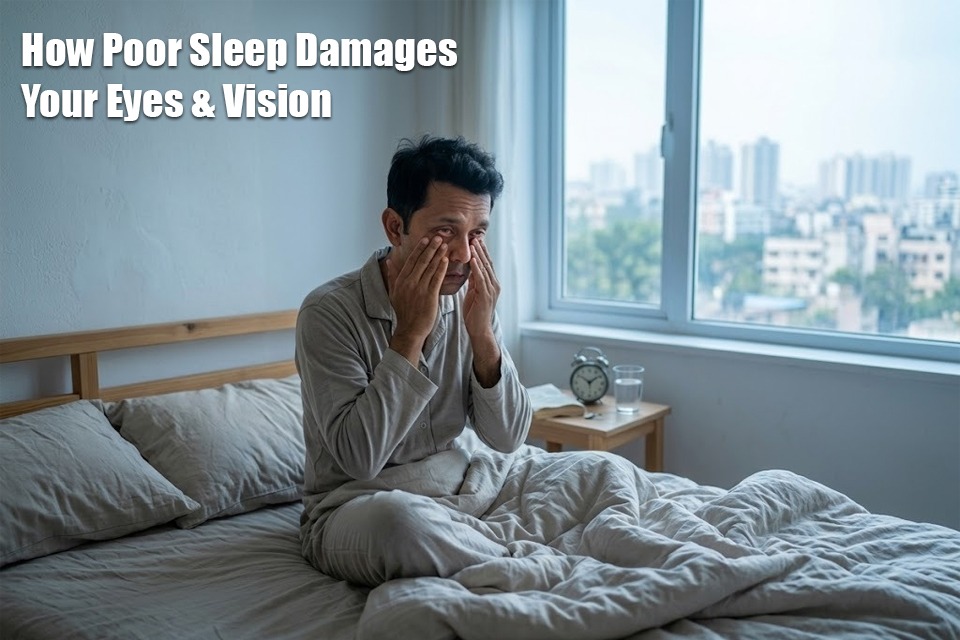
Most people know that not sleeping enough leaves them feeling tired, cranky, and unfocused. But here is something most people don't know — your eyes are silently suffering too.
Every single night, while you sleep, your eyes are doing some very important repair work. They are replenishing tears, flushing out toxins, lowering eye pressure, and healing themselves from the stress of the day. When you cut that sleep short — even by a couple of hours — that entire repair process gets interrupted.
Over time, poor sleep does not just make your eyes look tired. It can cause serious eye conditions that may lead to permanent vision loss.
At Susanjeevani Hospital, the leading eye hospital in Lucknow, we regularly see patients whose eye problems are directly linked to their sleep habits. This blog covers everything you need to know about how sleep affects your eyes — and what you can do to protect your vision.
What Happens to Your Eyes While You Sleep?
Your eyes are one of the hardest-working organs in your body. From the moment you wake up to the moment you go to bed, they are constantly processing light, colour, movement, and detail. Sleep is the only time they truly get to rest and repair. Here is what happens inside your eyes every night when you sleep properly:
1. Tear Film Gets Replenished
Your eyes are covered by a thin layer of fluid called the tear film. This film keeps your eyes moist, cleans away dust and bacteria, and protects the surface of the eye (cornea). During sleep, the tear film gets fully replenished. Without enough sleep, tear production drops — and dry, irritated eyes are the result. If you frequently experience burning, irritation, or dryness, consulting an experienced eye specialist doctor for proper dry eye evaluation and treatment can help protect your eye surface and improve comfort.
2. Eye Pressure Goes Down
The fluid pressure inside your eye, called intraocular pressure (IOP), naturally decreases during sleep. This process is extremely important for people with glaucoma or those at risk of developing it. When you do not sleep properly, the pressure may not reduce as it should, and over time this increased pressure can quietly damage the optic nerve. Regular eye pressure checks and timely glaucoma care are essential to prevent permanent vision loss and maintain healthy optic nerve function.
3. Cells Repair and Regenerate
Just like your skin repairs itself overnight, the delicate cells of the retina and cornea also undergo a healing and renewal process during sleep. Damage caused by screen exposure, sunlight, pollution, and oxidative stress gets repaired while you rest. Without proper sleep, this damage gradually accumulates day after day, increasing strain on your eyes and affecting long-term visual health.
4. Toxins Are Flushed Out
During deep sleep, your body activates a natural cleansing system that removes waste products and harmful toxins from the brain and eyes. When sleep is disturbed or insufficient, these toxins may build up over time, contributing to inflammation and increasing the risk of developing various eye diseases. Maintaining healthy sleep habits is therefore important not only for your body but also for preserving healthy vision.
5. Optic Nerve Gets Nourished
Your optic nerve carries visual signals from your eyes to your brain, allowing you to see clearly. During sleep, blood flow to the optic nerve improves, helping nourish and protect this vital structure. Poor sleep can reduce this blood supply, which is one reason why chronic sleep deprivation has been linked to optic nerve damage and other serious vision-related problems over time.
How Much Sleep Do Your Eyes Actually Need?
Most eye specialists and health organisations recommend 7 to 9 hours of sleep per night for adults to maintain good overall health, including healthy vision. Proper sleep allows your eyes to rest, repair, and recover from the constant strain caused by screens, sunlight, pollution, and daily visual activity.
Research also suggests that your eyes need at least 5 hours of sleep every night to complete their most basic replenishment and repair functions. If you regularly sleep less than 5 hours, your eyes cannot function at their full potential. Over time, chronic sleep deprivation may increase the risk of developing serious eye problems and long-term vision complications.
Children and teenagers require even more sleep — usually between 9 and 11 hours — because their eyes, brain, and visual systems are still developing. Adequate sleep during these growing years is essential for healthy visual development and learning performance.
8 Ways Poor Sleep Damages Your Eyes
1. Dry Eyes
Dry eye is one of the most common eye complaints associated with poor sleep. When you do not get enough rest, your eyes produce fewer tears and the quality of those tears also decreases. As a result, your eyes may feel dry, gritty, scratchy, or burning — especially in the morning. Over time, chronic dryness can damage the surface of the cornea and increase the risk of eye infections. People who spend long hours on screens, wear contact lenses, or live in dry and polluted environments are at even greater risk of developing severe dry eye symptoms.
2. Eye Redness
Sleep deprivation causes the blood vessels in your eyes to expand and fill with more blood than normal, leading to red or bloodshot eyes. Although this may appear harmless, it is actually a sign that your eyes are under stress and not recovering properly. Frequent episodes of redness may indicate ongoing eye strain and fatigue that should not be ignored.
3. Eye Twitching (Myokymia)
Involuntary eyelid twitching, medically called myokymia, is another very common symptom of poor sleep and eye fatigue. The eyelid may twitch repeatedly for several seconds or even days at a time. While usually harmless, it can become irritating and is often the eye’s way of signalling exhaustion. Proper rest, reduced stress, and limiting caffeine intake usually help the twitching settle naturally.
4. Blurry Vision and Difficulty Focusing
After a poor night’s sleep, many people notice temporary blurry vision or difficulty focusing on screens, reading material, or fine details. This occurs because the eye muscles responsible for focusing become fatigued and overworked. In most cases, the vision improves after adequate rest. However, if blurry vision becomes frequent or persistent, it is important to seek a professional eye examination.
5. Light Sensitivity (Photophobia)
Lack of sleep can make your eyes unusually sensitive to light. Even regular indoor lighting may feel uncomfortable, while bright sunlight can seem overwhelming. This increased sensitivity, known as photophobia, is often a sign that the visual system is overstrained and not recovering properly between periods of activity.
6. Popped Blood Vessels (Subconjunctival Haemorrhage)
Sometimes, poor sleep combined with eye rubbing, coughing, sneezing, or physical strain can cause a tiny blood vessel on the white part of the eye to burst. This creates a bright red patch known as a subconjunctival haemorrhage. Although it usually looks alarming, it is often painless and resolves on its own within a few weeks. Repeated episodes, however, should always be evaluated by an eye specialist.
7. Swelling Around the Eyes
The skin around the eyes is extremely thin and sensitive. Poor sleep causes fluid retention and reduced drainage around the eyes, leading to puffiness, swelling, and dark circles. While many people consider this only a cosmetic issue, it also reflects that the body and visual system are not recovering efficiently during sleep.
8. Increased Eye Strain
Eyes that are not properly rested become tired much more quickly during normal daily activities. Tasks such as reading, driving, mobile phone use, and computer work may suddenly feel more difficult and uncomfortable. Chronic eye strain can eventually lead to headaches, reduced concentration, poor work performance, and a significant decline in overall quality of life if proper rest is consistently ignored.
Serious Eye Diseases Linked to Chronic Sleep Deprivation
Occasional poor sleep may only cause temporary discomfort like redness or eye strain. However, chronic sleep deprivation — meaning regularly getting poor-quality or insufficient sleep over months and years — has been strongly linked to several serious eye diseases that can permanently affect vision.
1. Glaucoma
Glaucoma is one of the leading causes of irreversible blindness worldwide, and multiple studies have shown a strong connection between poor sleep and increased glaucoma risk. Research published in the journal BMJ Open in 2022, involving more than 400,000 participants followed over 10 years, found that unhealthy sleep patterns significantly increased the likelihood of developing glaucoma. Another large study conducted by the American Academy of Ophthalmology involving thousands of glaucoma patients also confirmed this association.
The reason is simple: glaucoma is primarily related to increased pressure inside the eye. During healthy sleep, this pressure naturally decreases. But when sleep is regularly disrupted, eye pressure may remain elevated for longer periods, slowly damaging the optic nerve. Once optic nerve damage occurs, the lost vision cannot be restored.
Early detection is critical because glaucoma often develops silently without symptoms. Advanced glaucoma diagnosis using OCT scans, optic nerve analysis, visual field testing, and regular eye pressure monitoring can help detect the disease before major vision loss occurs.
2. Ischemic Optic Neuropathy (ION)
Ischemic Optic Neuropathy occurs when the optic nerve does not receive enough blood supply and oxygen. One of the major risk factors for this condition is sleep apnea, a sleep disorder in which breathing repeatedly stops and starts during sleep. Reduced oxygen delivery during the night can severely damage the optic nerve, leading to sudden or progressive vision loss.
People who snore loudly, experience interrupted breathing during sleep, or continue to feel exhausted despite sleeping for long hours should consider evaluation for sleep apnea along with a detailed eye examination to assess optic nerve health.
3. Diabetic Retinopathy — Worsened by Poor Sleep
Sleep becomes even more important for individuals living with diabetes. Research has shown a “U-shaped” relationship between sleep and diabetic retinopathy, meaning that both too little and too much sleep can increase the risk of retinal damage. Studies suggest that the ideal sleep duration for diabetic patients is approximately 7 to 7.5 hours per night.
Poor sleep can worsen blood sugar control and increase inflammation, both of which contribute to damage of the tiny blood vessels in the retina. Over time, this may lead to moderate or severe diabetic retinopathy and significant vision loss if left untreated. Regular diabetic eye examinations and timely retinal treatment are essential for protecting vision in diabetic patients.
4. Papilledema (Optic Nerve Swelling)
Severe and prolonged sleep deprivation may contribute to increased pressure inside the skull, a condition that can cause swelling of the optic nerve, known as papilledema. This is considered a medical emergency because the increased pressure can rapidly affect vision and may indicate serious underlying neurological problems.
Symptoms may include headaches, blurred vision, double vision, nausea, or temporary episodes of vision blackout. Immediate medical evaluation is necessary if these symptoms occur.
5. Age-Related Macular Degeneration (AMD)
Chronic lack of sleep increases oxidative stress and inflammation throughout the body, including within the retina. Over time, this can contribute to damage of the macula — the central part of the retina responsible for sharp, detailed vision. This increases the risk of developing age-related macular degeneration (AMD), a disease that can severely impair reading, driving, and face recognition abilities.
Maintaining healthy sleep habits, controlling systemic health conditions, eating a nutrient-rich diet, and undergoing regular retinal examinations can help reduce the long-term risk of AMD progression and vision loss.
Who is Most at Risk?
Poor sleep can affect anyone’s eye health, but certain groups of people face a much higher risk of developing serious eye-related complications due to chronic sleep deprivation.
- People with diabetes — Individuals with diabetes are already at risk of diabetic retinopathy, and poor sleep can significantly worsen retinal damage by affecting blood sugar control and increasing inflammation.
- People with glaucoma or a family history of glaucoma — Raised eye pressure caused by poor sleep may accelerate optic nerve damage and increase the risk of permanent vision loss.
- People with dry eye disease — Poor sleep reduces tear production and worsens irritation, burning, redness, and eye discomfort associated with dry eyes.
- Contact lens wearers — Sleeping with contact lenses in place reduces oxygen supply to the cornea and significantly increases the risk of corneal infections. Combined with inadequate sleep, this can place even greater stress on the eyes.
- Heavy screen users — People who spend long hours on computers, laptops, phones, or tablets already place considerable strain on their eyes. Poor sleep removes the recovery time the eyes need to heal from daily visual fatigue.
- People over 40 years of age — As we grow older, sleep quality naturally decreases and the eyes become more vulnerable to stress and age-related diseases. The combination of aging and poor sleep can therefore be especially harmful.
When Should You See an Eye Doctor in Lucknow?
Mild eye discomfort after a single poor night of sleep is common and usually temporary. However, you should seek prompt evaluation from an eye specialist if you experience any of the following symptoms:
- Eye redness that does not improve after proper rest
- Persistent dry eyes despite using artificial tears
- Blurry vision that does not clear up
- Sudden vision loss or dark spots in your vision
- Severe sensitivity to light
- Eye pain or pressure
- Double vision
- Eye twitching that continues for several weeks
These symptoms may indicate serious underlying eye conditions that require medical attention. Delaying treatment can be dangerous because many diseases, especially glaucoma, can cause permanent vision loss if detected too late.
10 Practical Tips to Sleep Better and Protect Your Eyes
Improving your sleep quality is one of the most effective and often overlooked ways to protect your long-term eye health. Simple lifestyle changes can make a significant difference.
- Follow a fixed sleep schedule — Try to sleep and wake up at the same time every day, including weekends, to regulate your body clock.
- Avoid screens at least 1 hour before bed — Blue light from phones, tablets, laptops, and televisions suppresses melatonin production and increases eye strain before sleep.
- Keep your bedroom dark and cool — Darkness encourages natural melatonin release and improves sleep quality. Even small light sources may disturb deep sleep.
- Always remove contact lenses before sleeping — Sleeping with contact lenses greatly increases the risk of serious corneal infections and oxygen deprivation.
- Sleep on your back whenever possible — Sleeping face-down may increase pressure on the eyes and raise intraocular pressure.
- Avoid caffeine after 2 PM — Caffeine remains in the body for several hours and can delay deep, restorative sleep.
- Use a humidifier if the air is dry — Dry indoor air can worsen eye dryness, especially during winter months.
- Develop a relaxing bedtime routine — Activities such as reading physical books, meditation, or light stretching help the nervous system relax before sleep.
- Get regular eye examinations — Routine eye check-ups can detect early signs of glaucoma, dry eye disease, retinal damage, and other vision-threatening conditions.
- Seek medical advice if you snore heavily or feel tired despite sleeping — These may be signs of sleep apnea, a condition strongly associated with optic nerve damage.
Eye Treatments Available at Susanjeevani Hospital, Lucknow
If poor sleep has already started affecting your eye health, Susanjeevani Hospital offers a comprehensive range of advanced diagnostic and treatment services for both common and complex eye diseases.
- Glaucoma screening and treatment — Including OCT-based optic nerve analysis, visual field testing, medical management, and advanced glaucoma procedures.
- Dry eye treatment in Lucknow — Detailed tear film evaluation and personalised treatment plans for long-term relief from dry eye symptoms.
- Diabetic retinopathy treatment in Lucknow — Including Fundus Fluorescein Angiography (FFA), OCT retinal scans, and retinal laser treatment.
- Retinal disease management — Expert care for conditions such as macular degeneration, retinal vein occlusion, and other retinal disorders.
- Complete eye examination — Comprehensive assessment of visual acuity, eye pressure, retinal health, optic nerve condition, and overall eye function.
- Anti-VEGF injections in Lucknow — Advanced retinal injections for conditions including diabetic macular oedema and age-related macular degeneration.
Our team, led by Dr. Mohit Khemchandani (MBBS, MS Ophthalmology, Vitreo Retina Specialist), brings more than two decades of experience in diagnosing and managing complex eye diseases with advanced technology and patient-focused care.
The Bottom Line
Sleep is not a luxury — it is a biological necessity. And for your eyes, it is one of the most important daily recovery periods your body gets. Every night, your eyes depend on healthy sleep to restore moisture, reduce pressure inside the eye, repair damaged cells, and support the health of the optic nerve and retina.
From replenishing the tear film to repairing retinal tissue and nourishing the optic nerve, many essential processes only happen properly when you get consistent, high-quality sleep. When sleep is regularly disturbed or insufficient, your eyes lose the opportunity to recover from daily stress caused by screens, pollution, sunlight, and long working hours.
The encouraging news is that improving your sleep habits is one of the simplest and most effective ways to protect your long-term vision and overall eye health. And if poor sleep has already started affecting your eyes, the best time to seek professional evaluation is now — before the damage becomes permanent or irreversible.
At Susanjeevani Hospital, widely recognised as one of the best eye hospitals in Lucknow, our experienced eye specialists are committed to helping patients understand their eye health and receive the right diagnosis, treatment, and long-term care for vision-related problems.
BOOK APPOINTMENT
Call Now: +91-8400868388